September 2026
WASTE MANAGEMENT PROFESSIONAL DEVELOPMENT
Towards a Zero-Waste Campus: CCA Sustainability Programme and Kota Tanpa Sampah Host Minimum Waste School Workshop at SIS-PIK
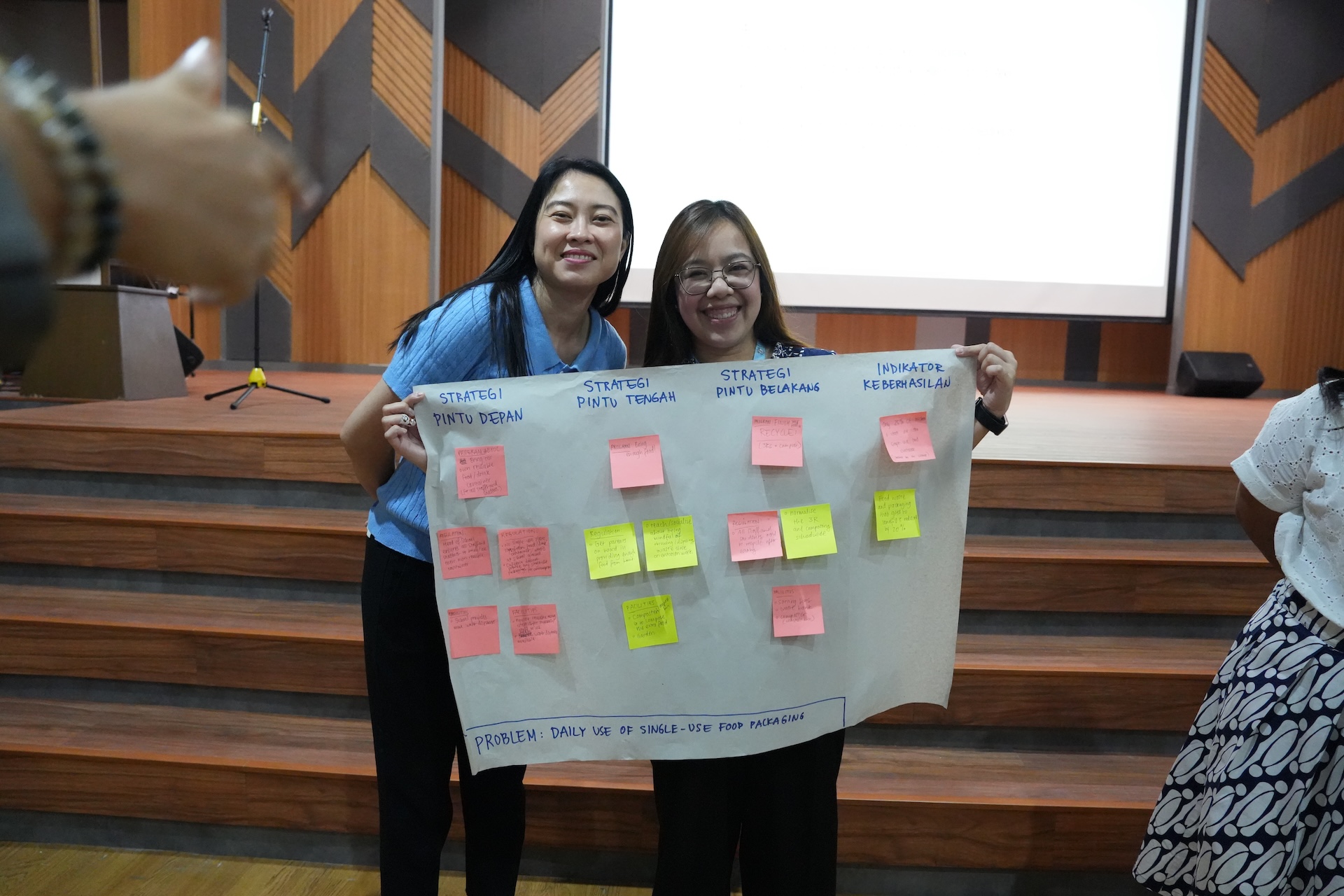
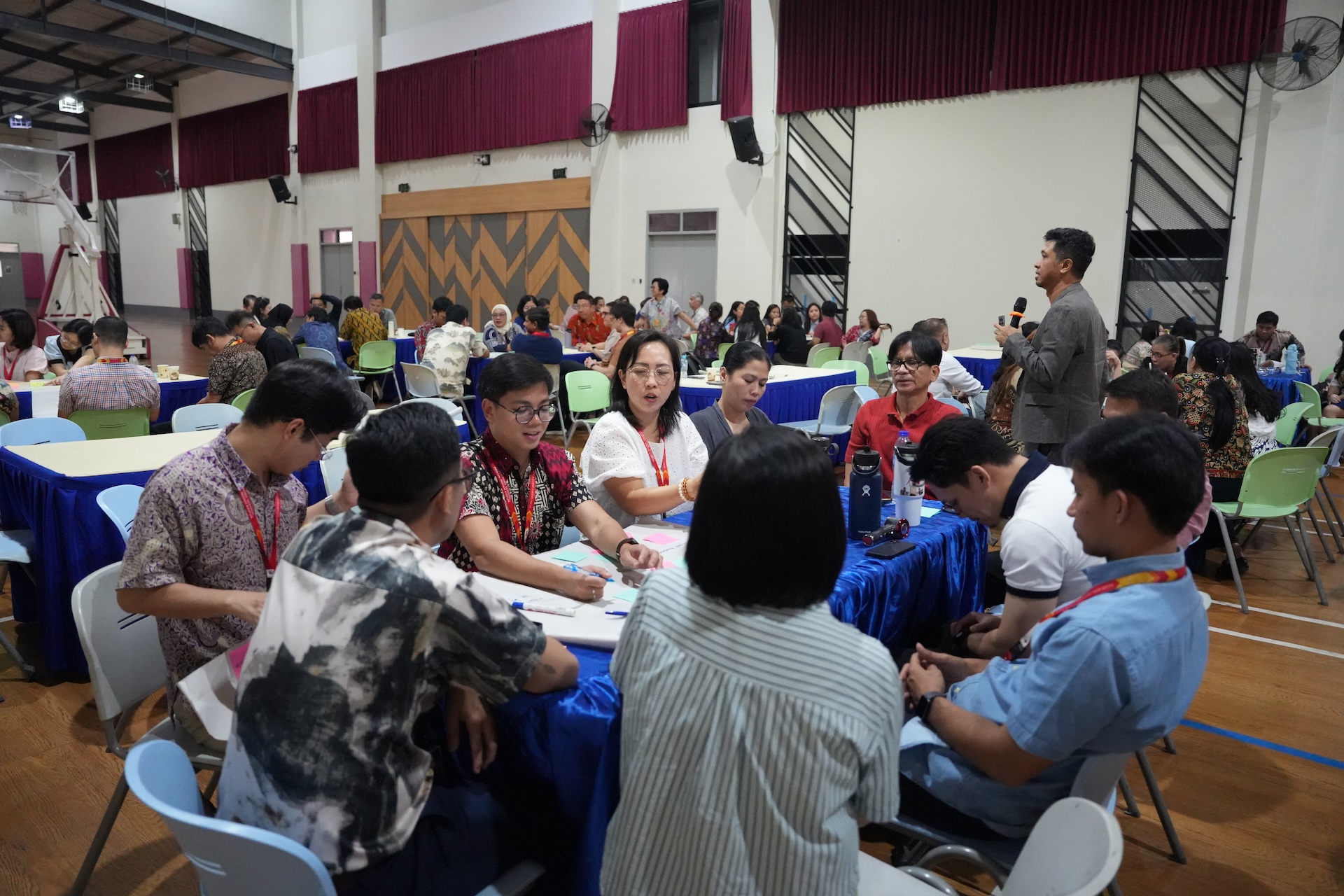
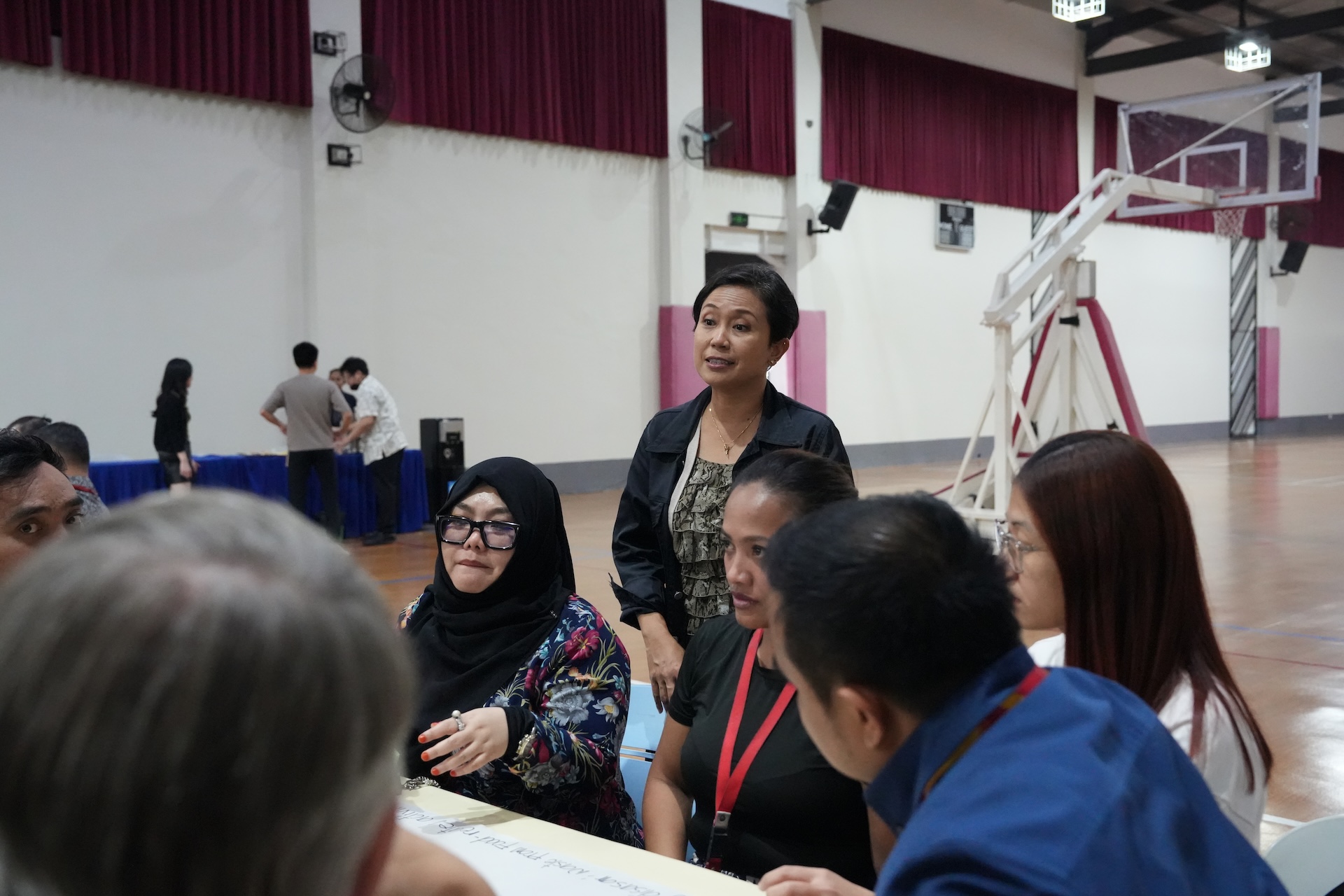
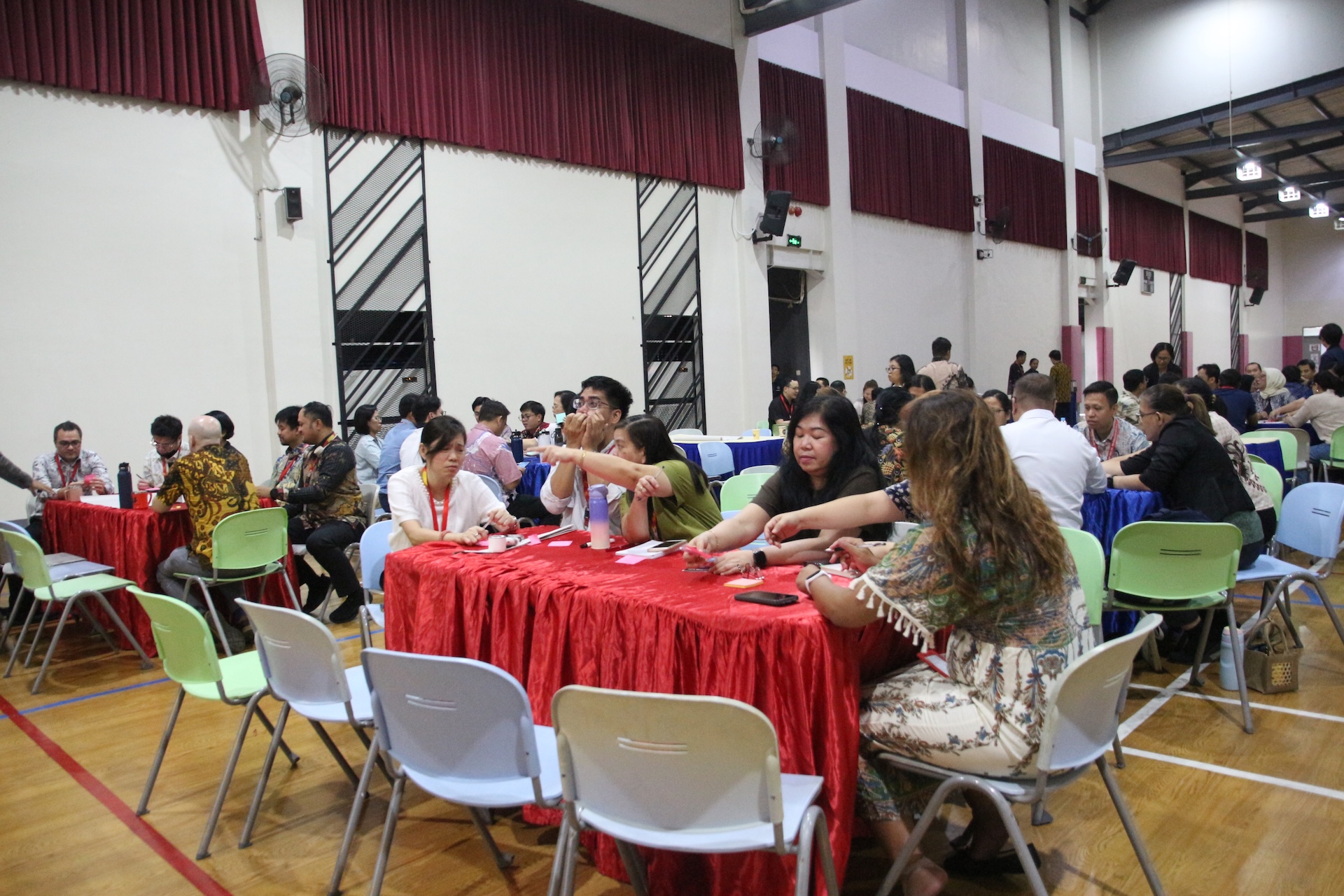
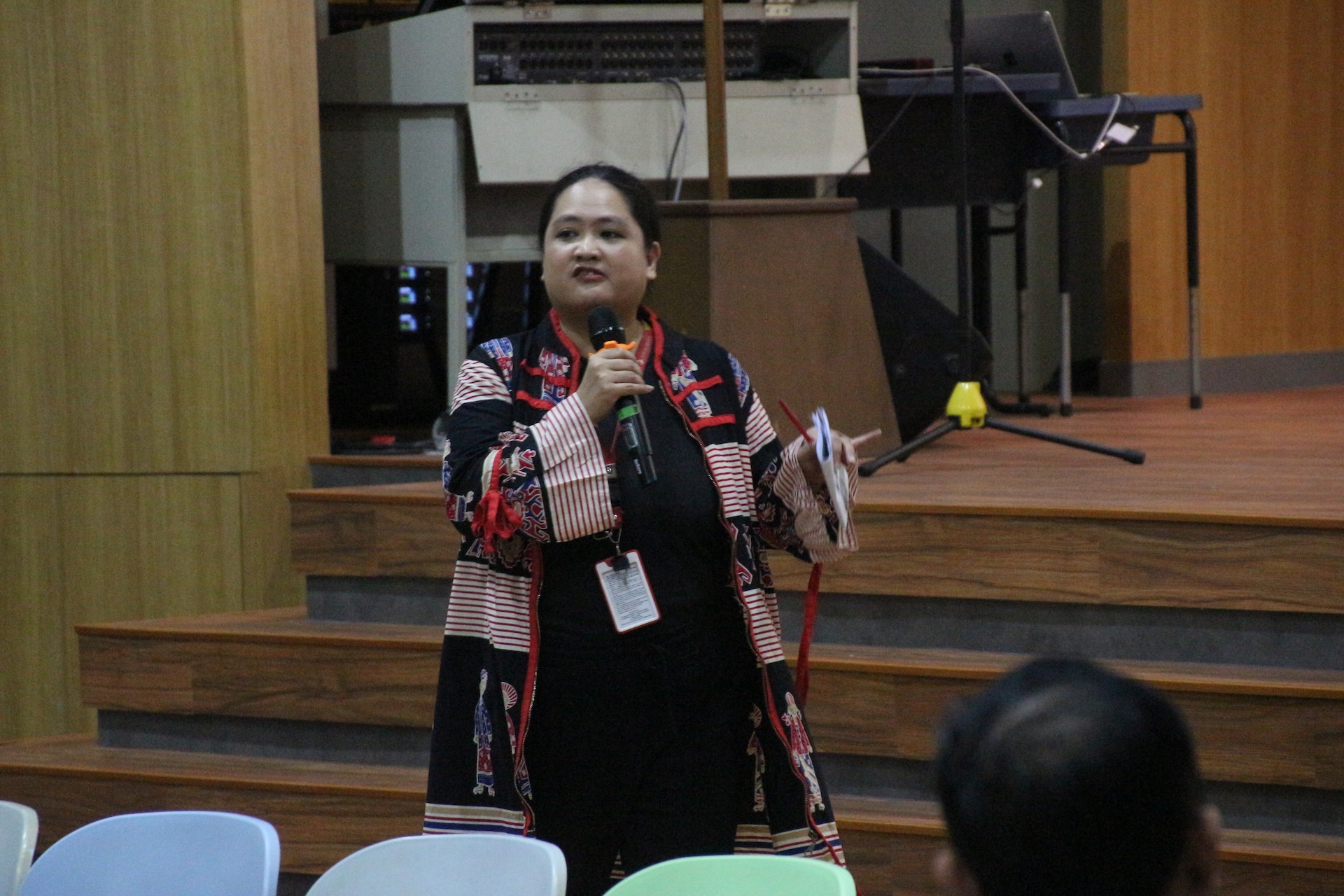
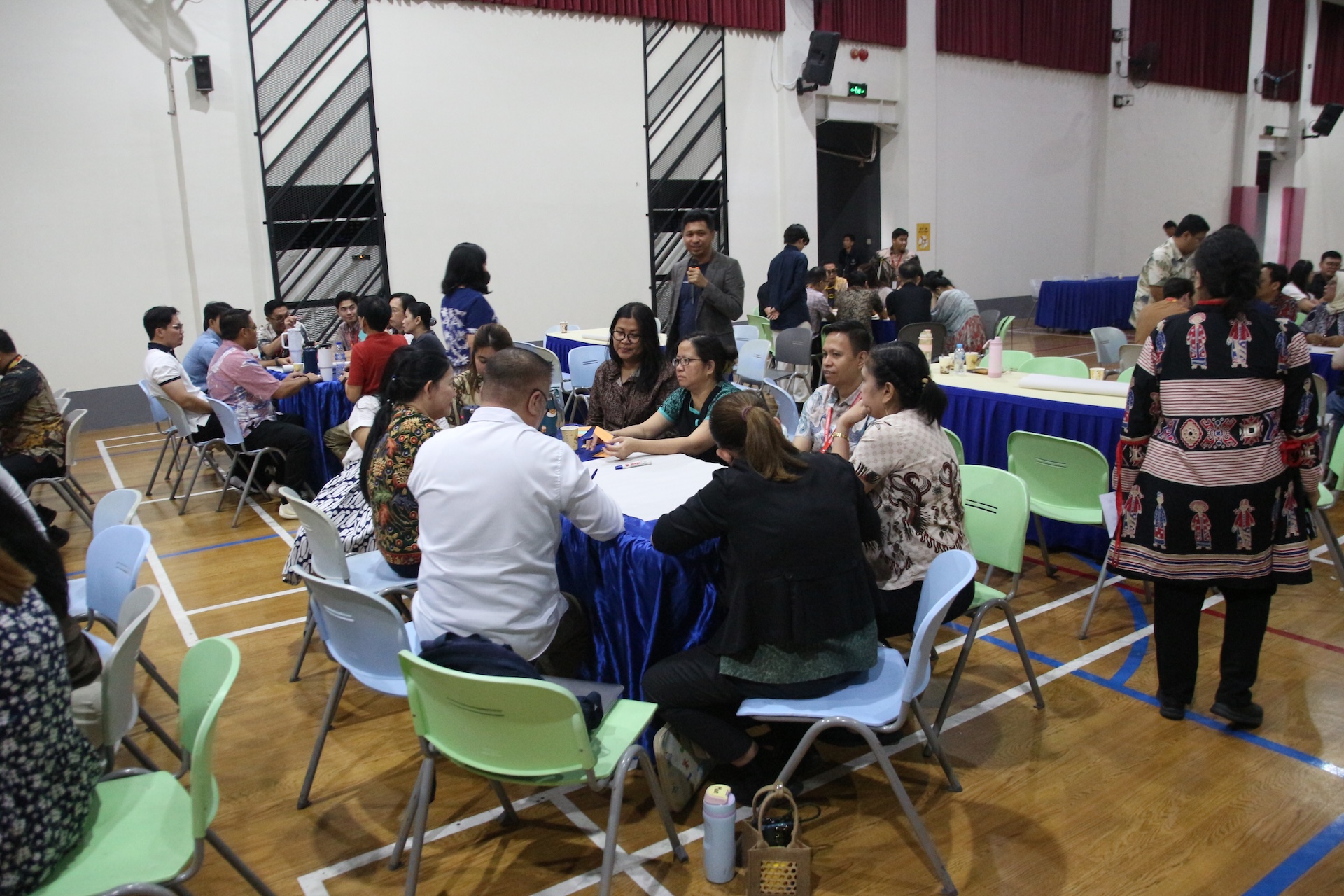
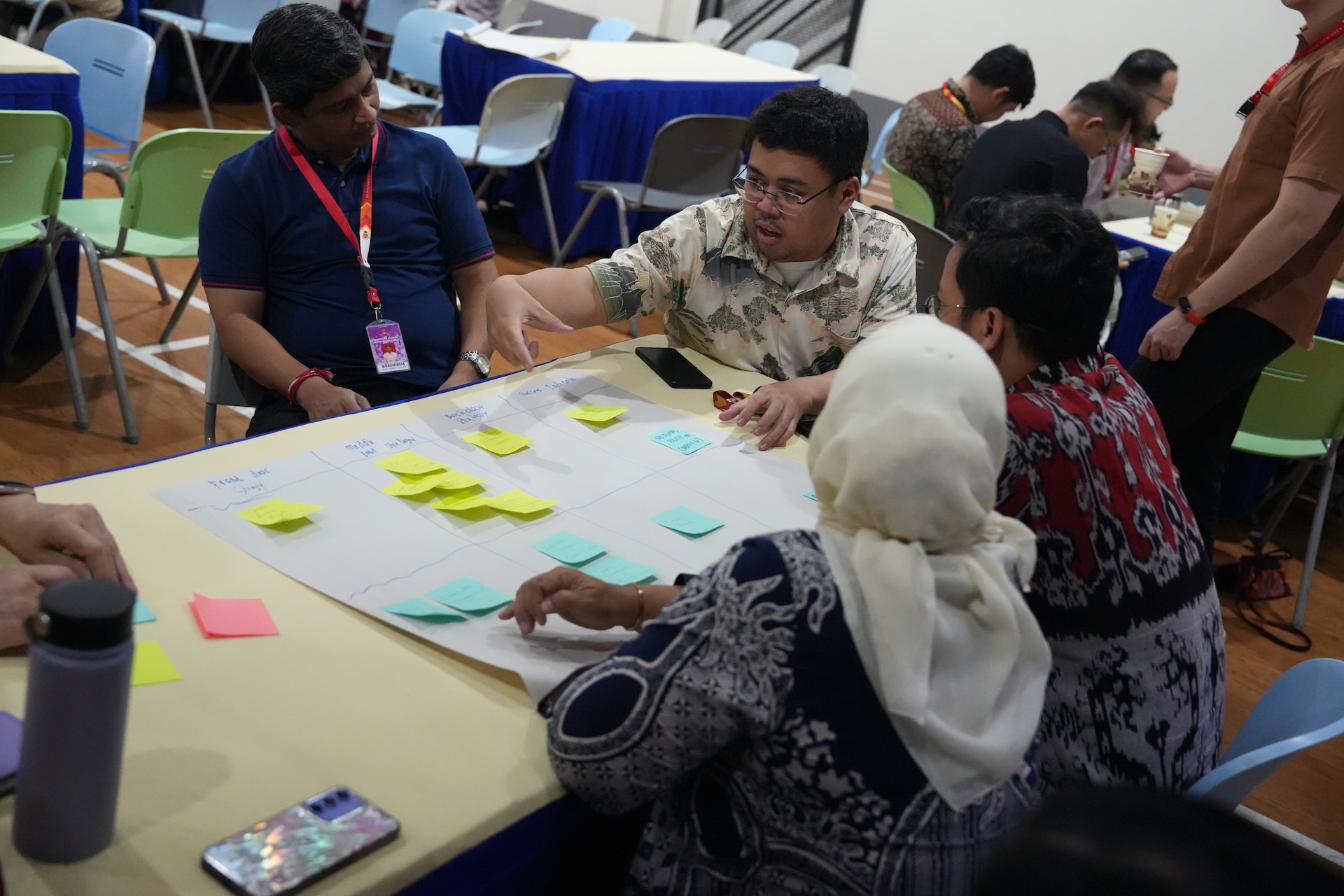
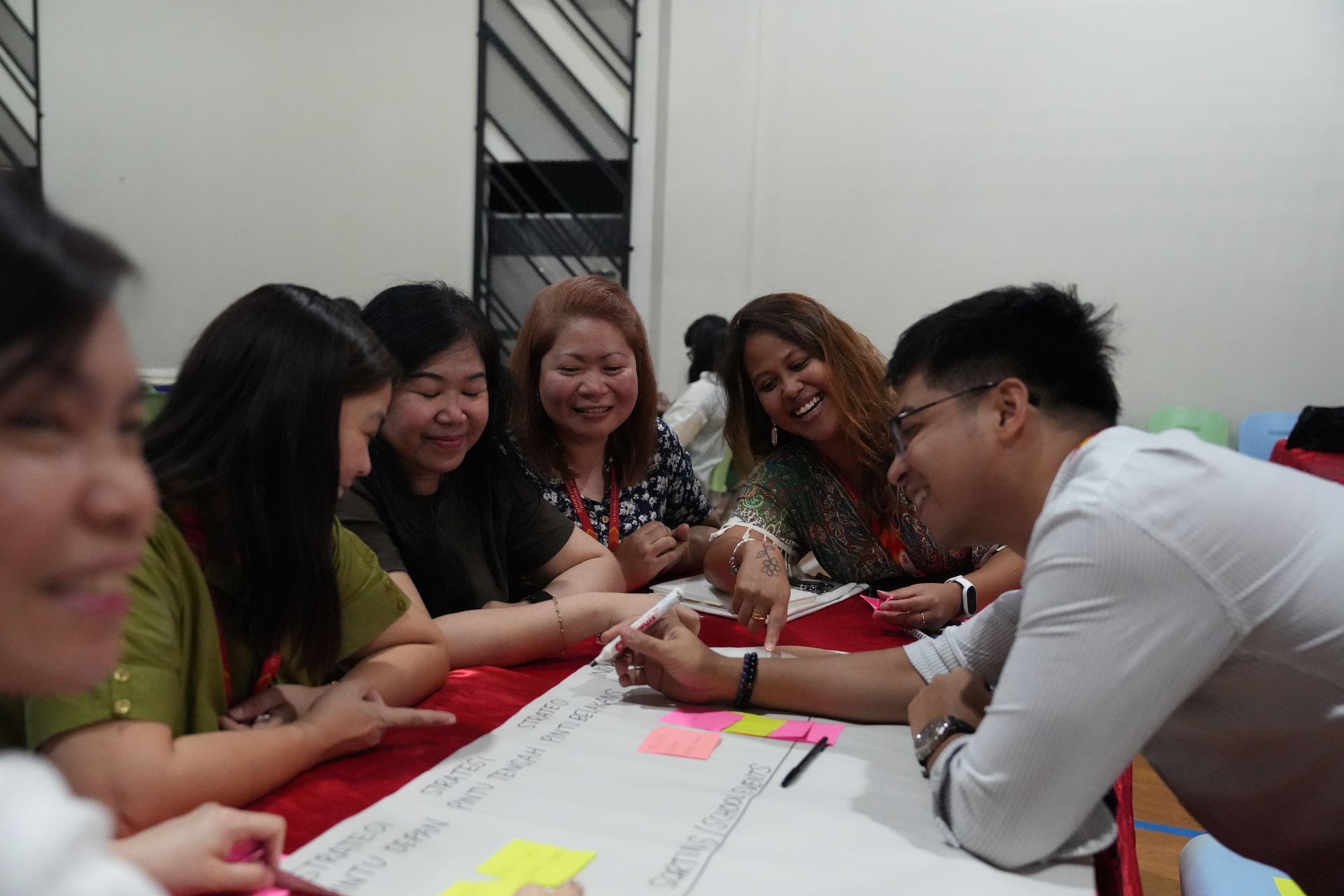
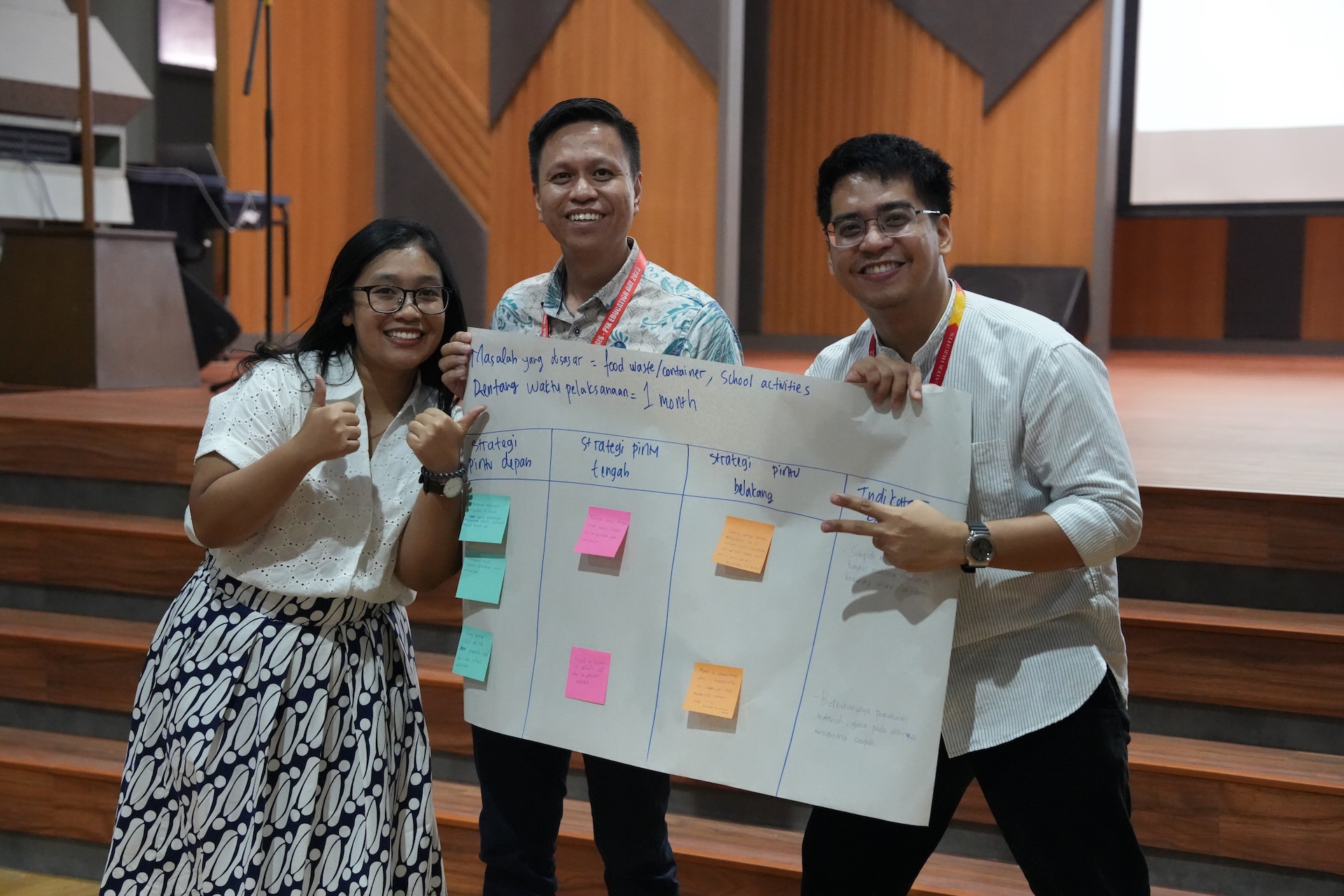
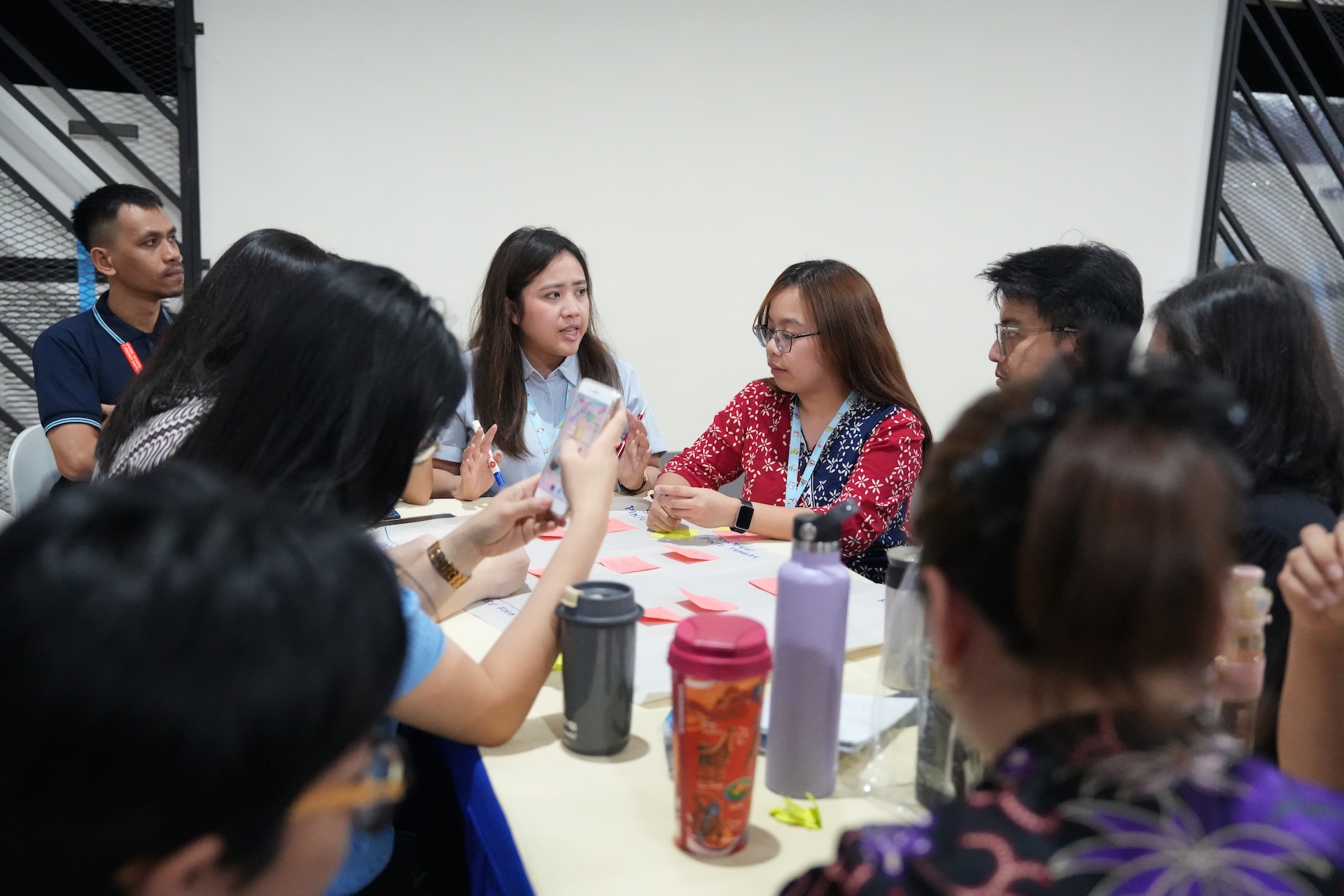
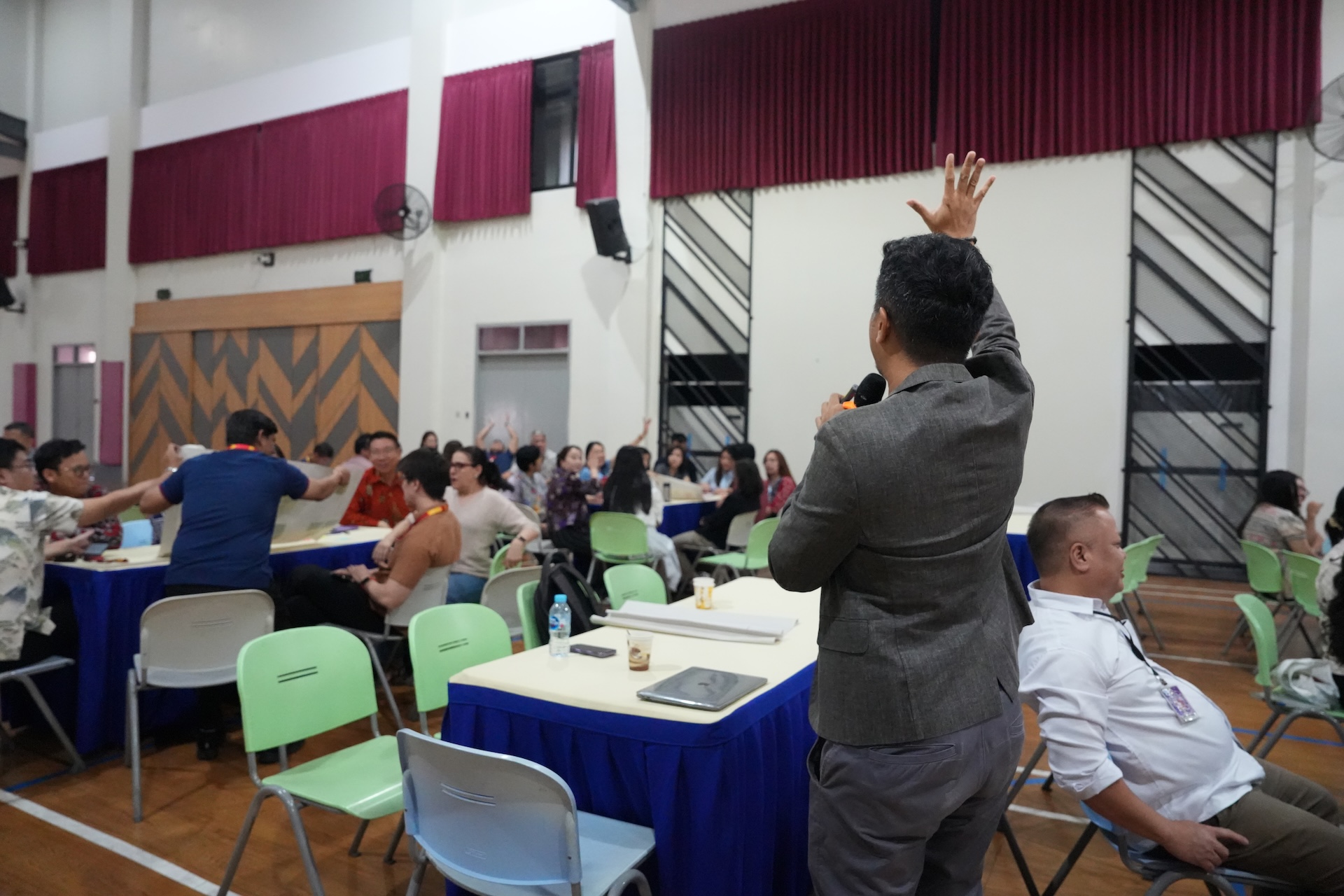
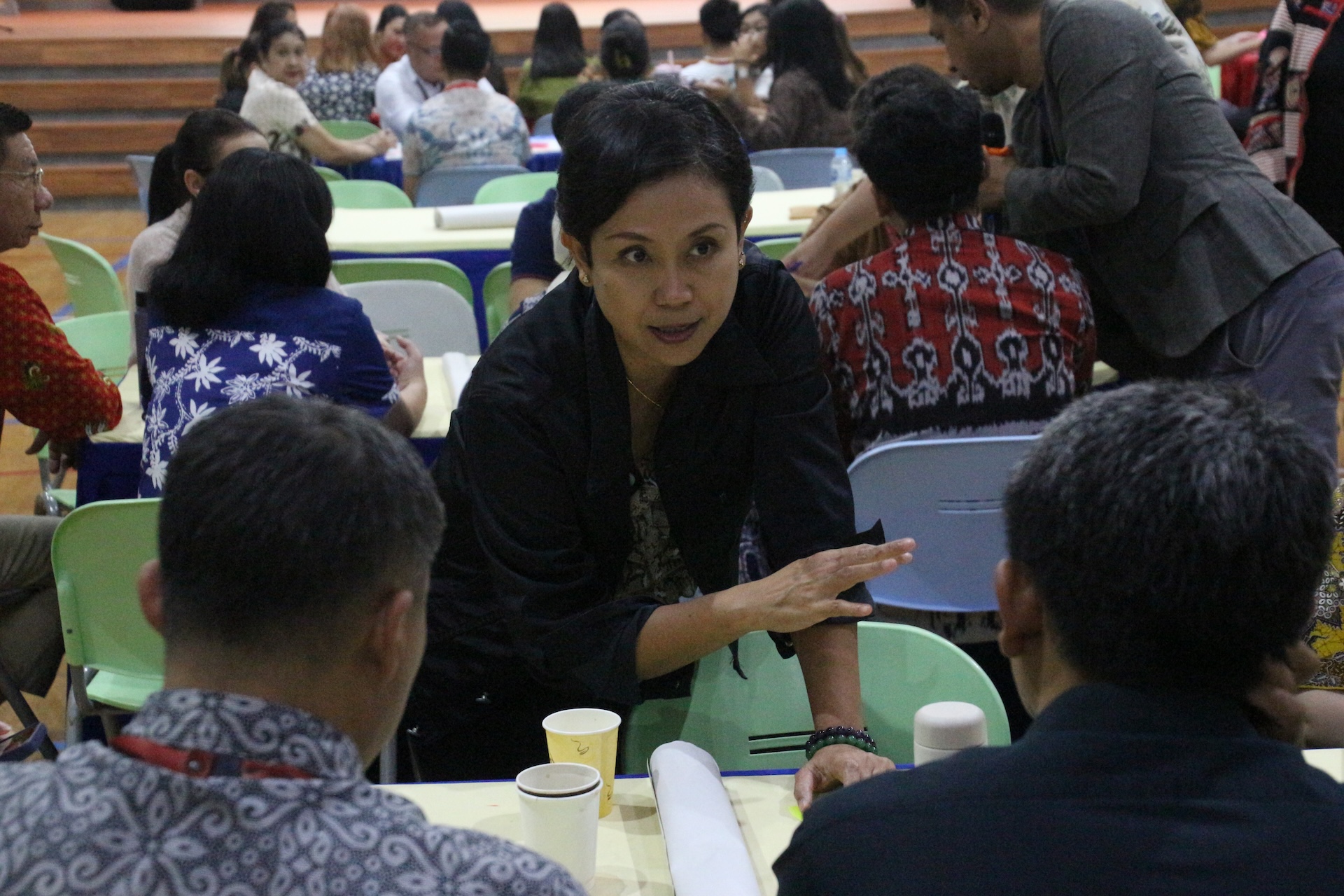
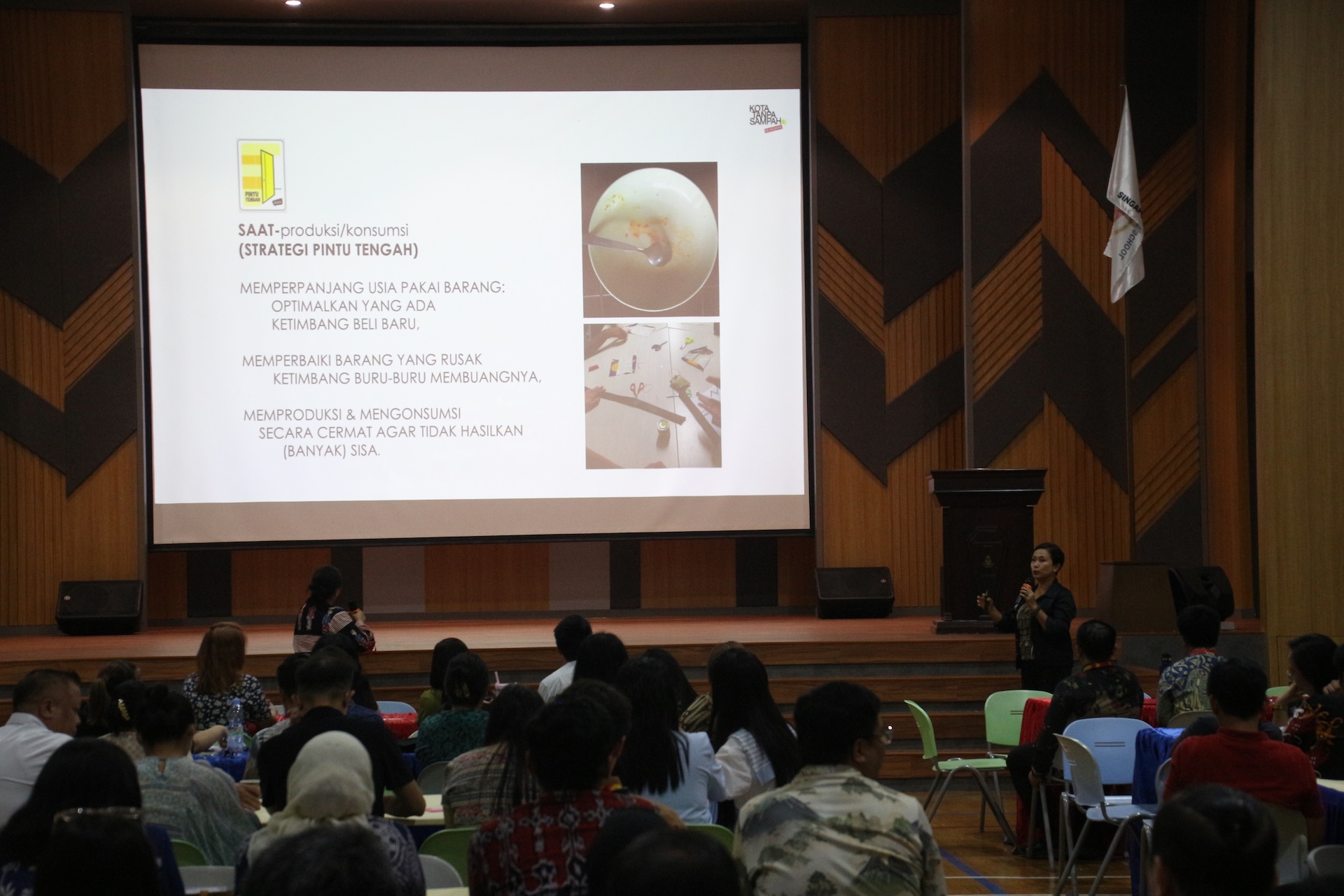
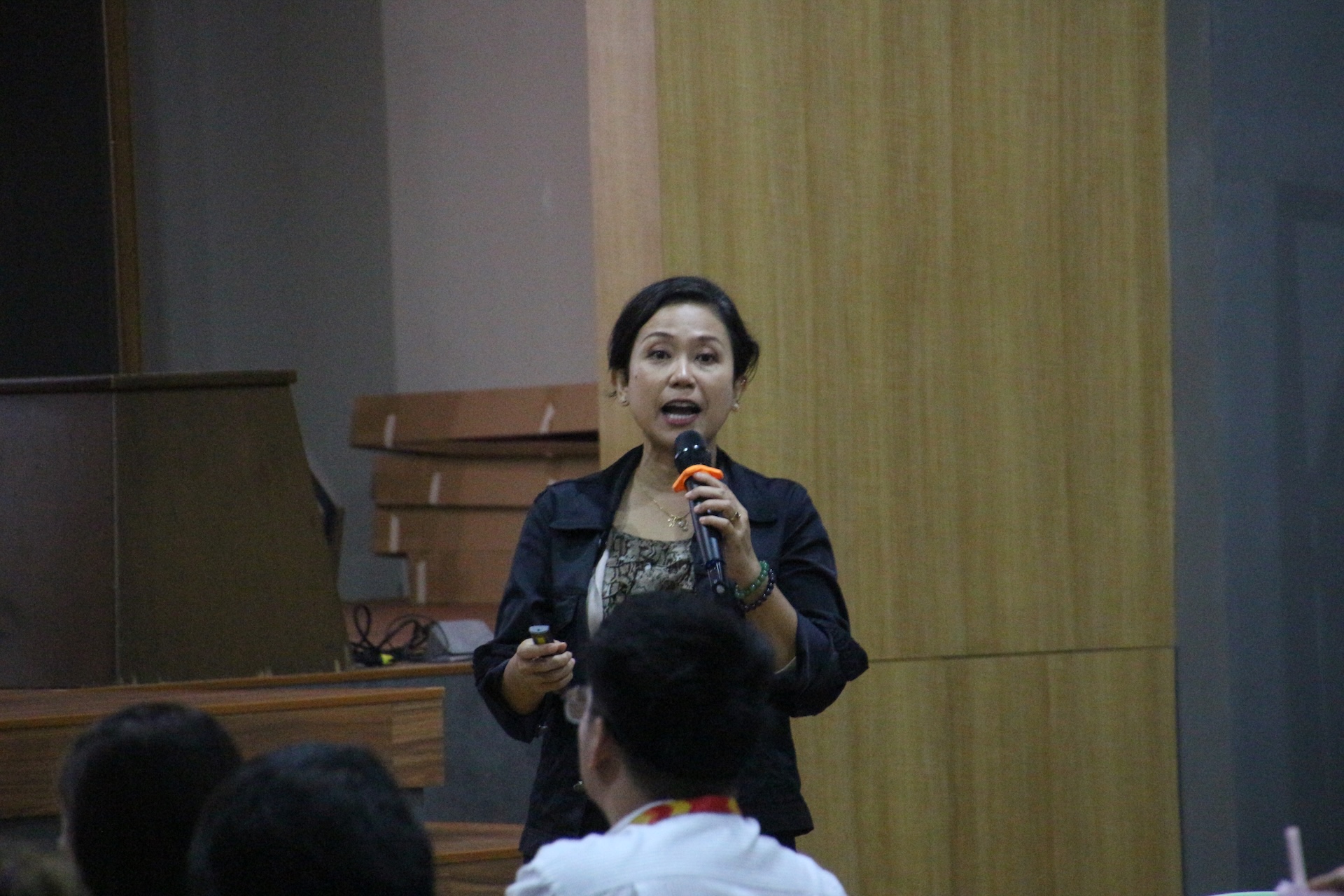
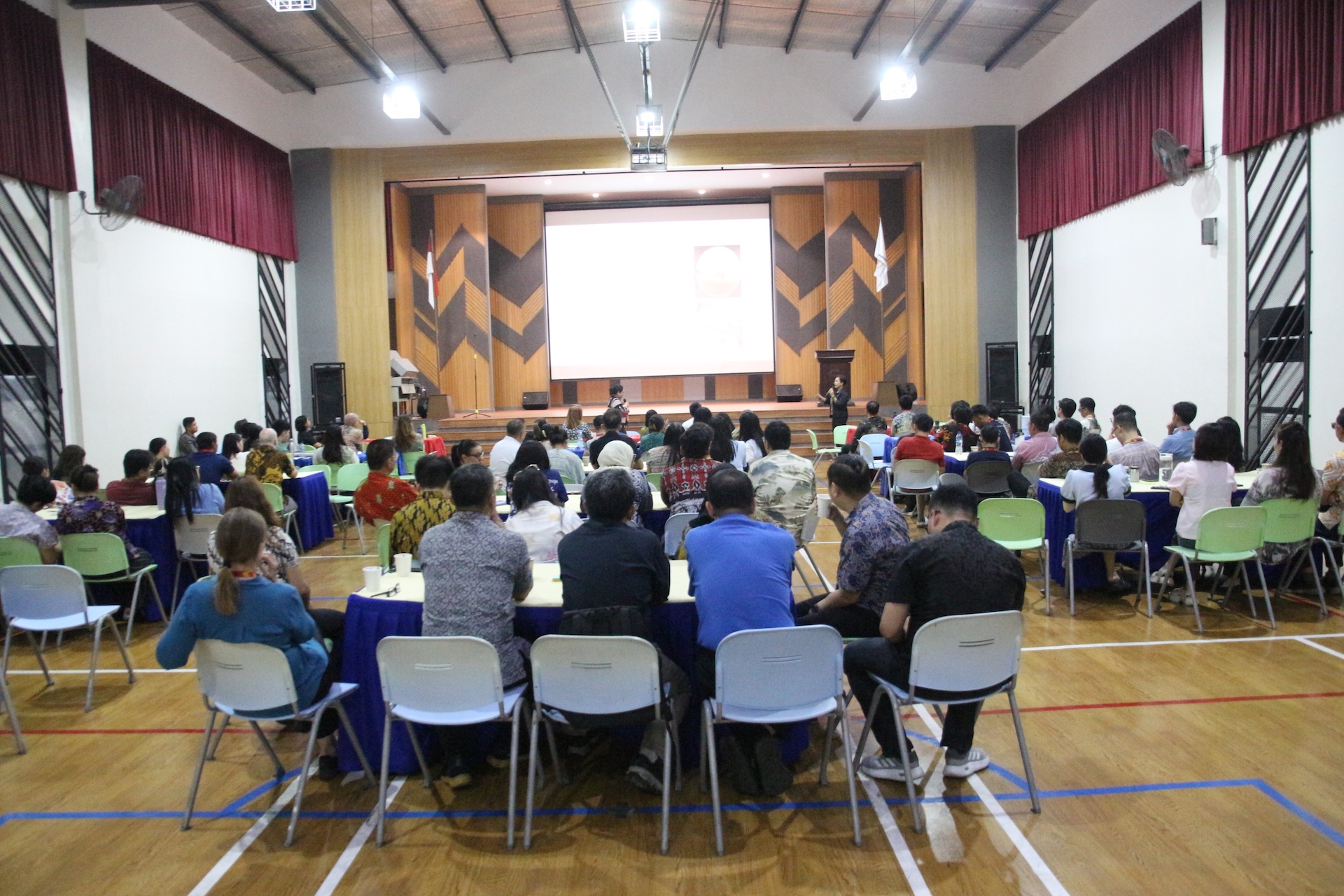
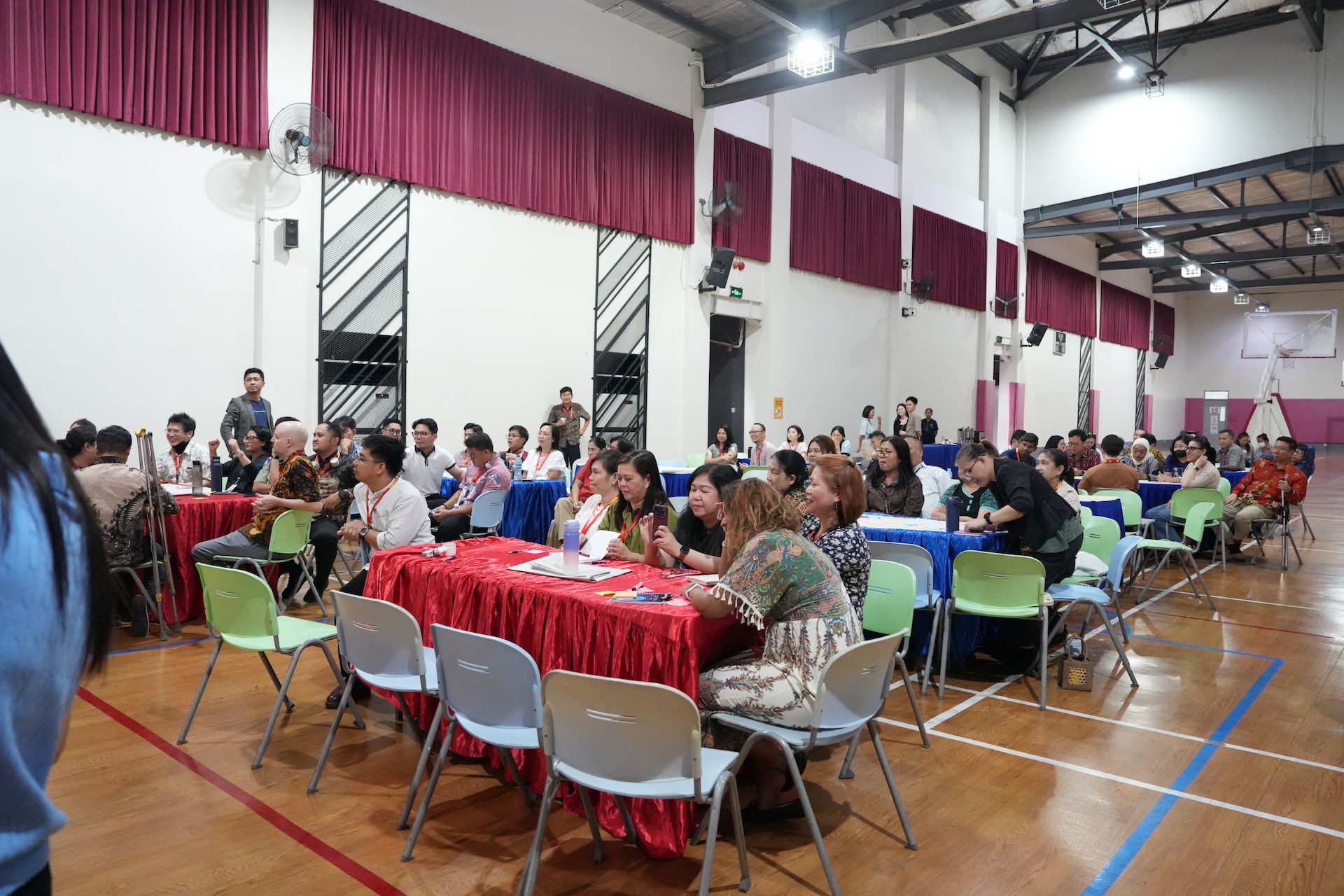
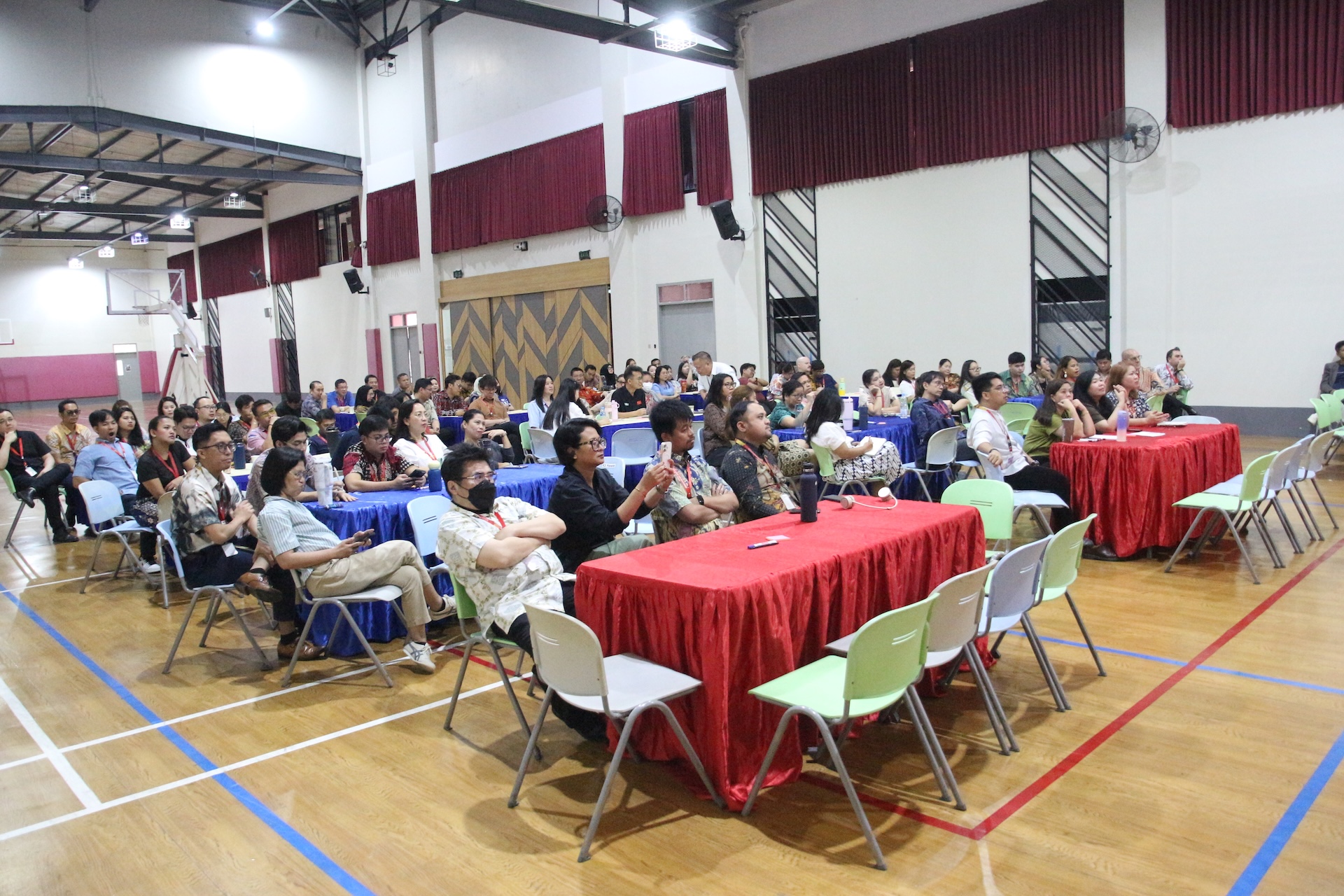
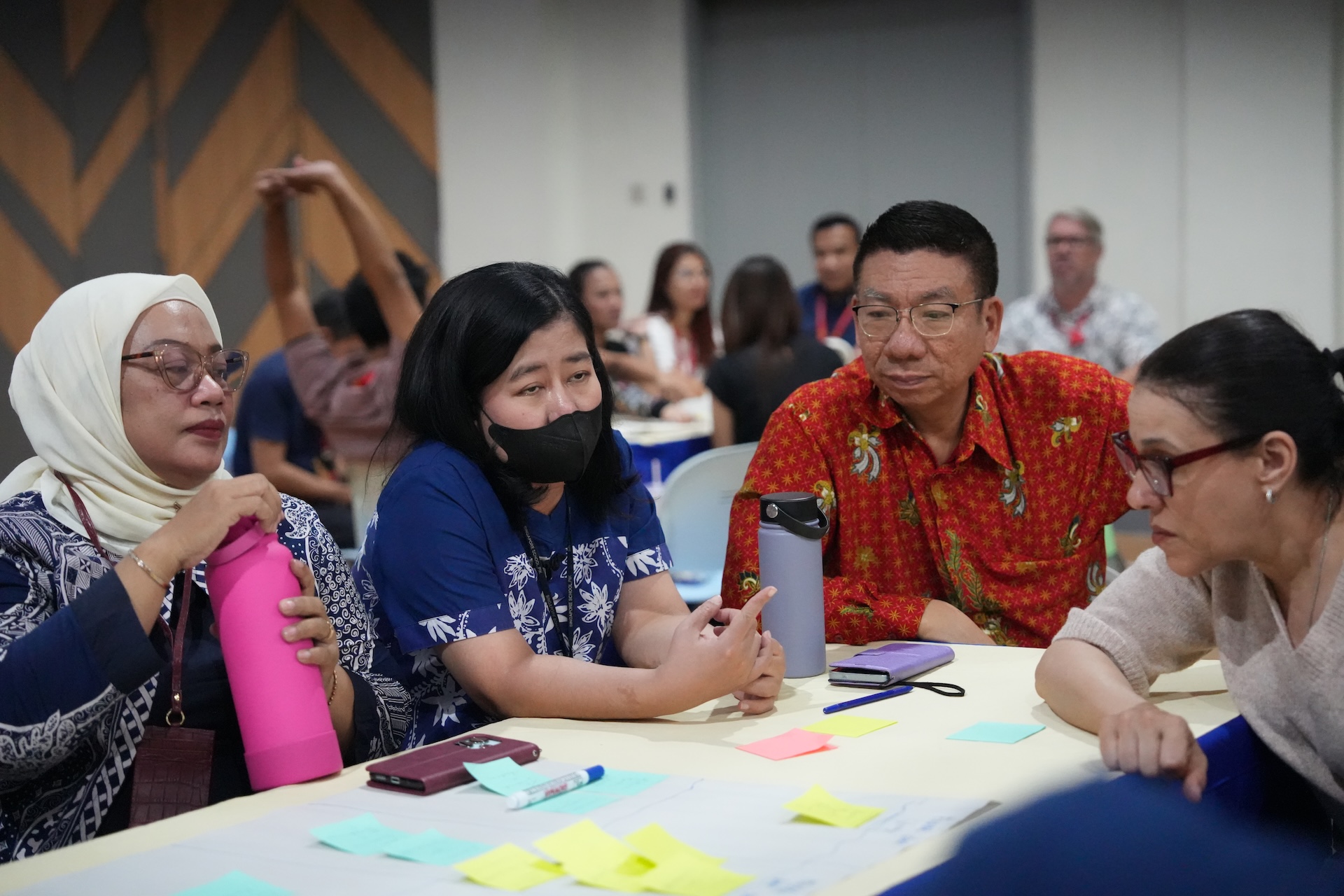
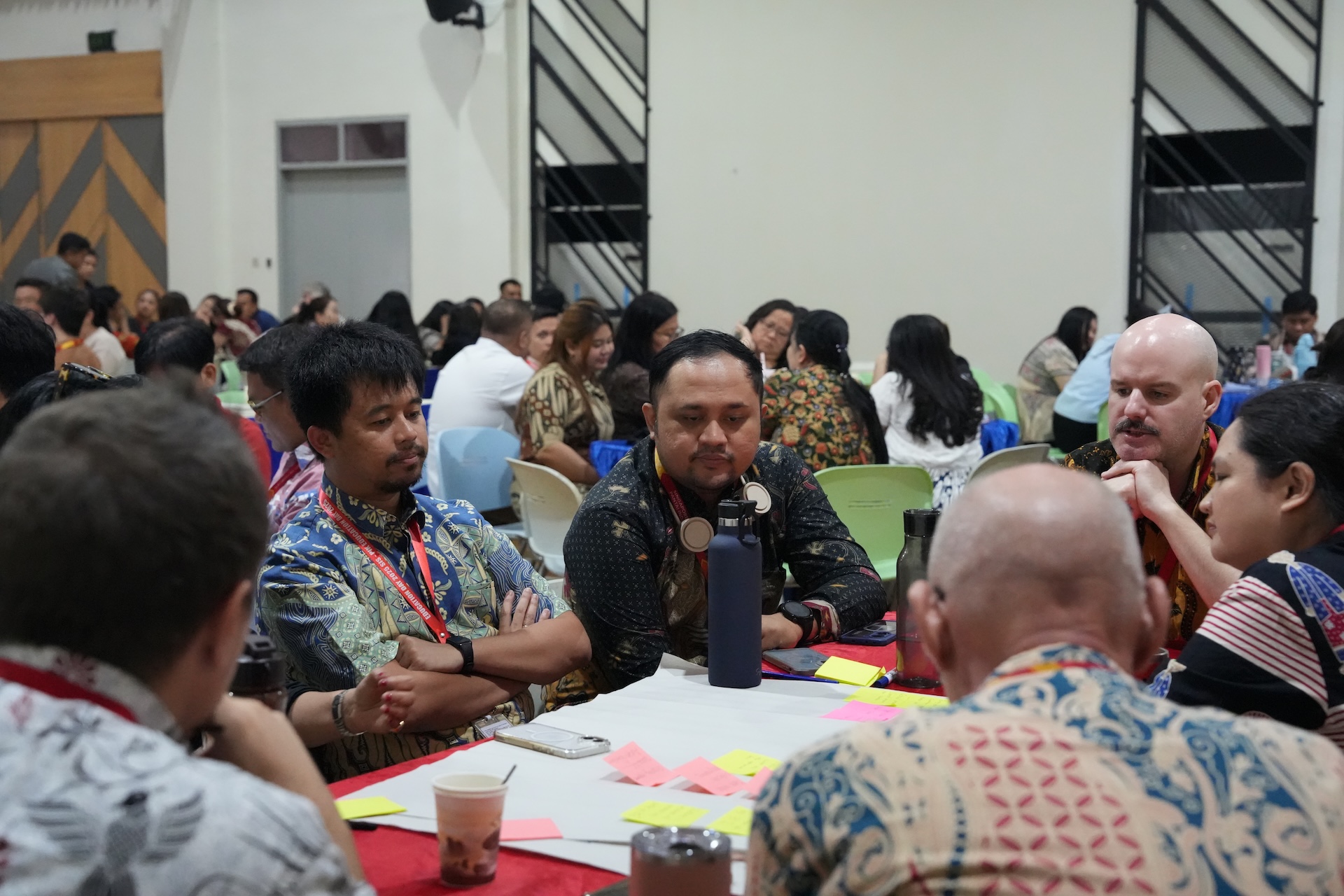
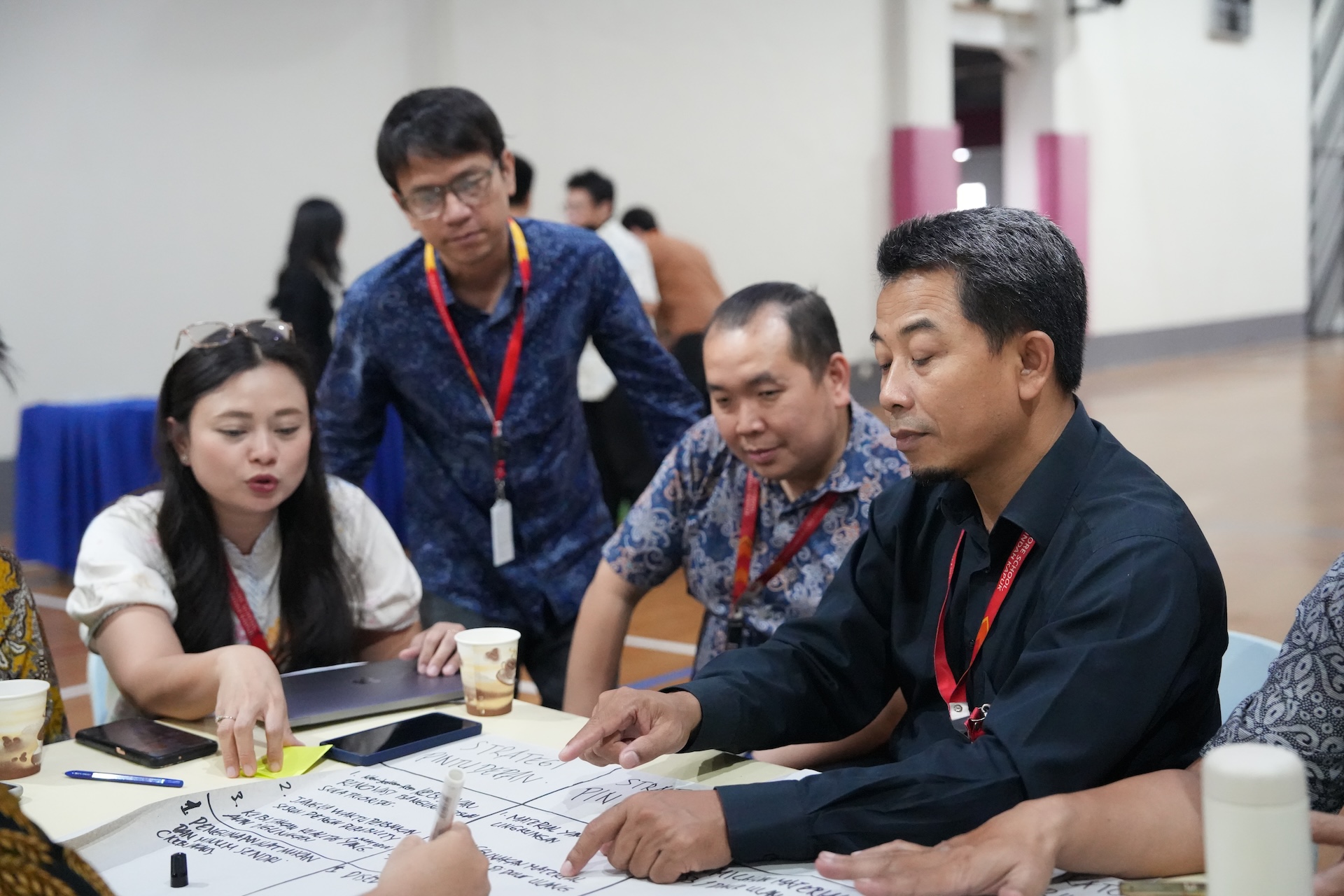
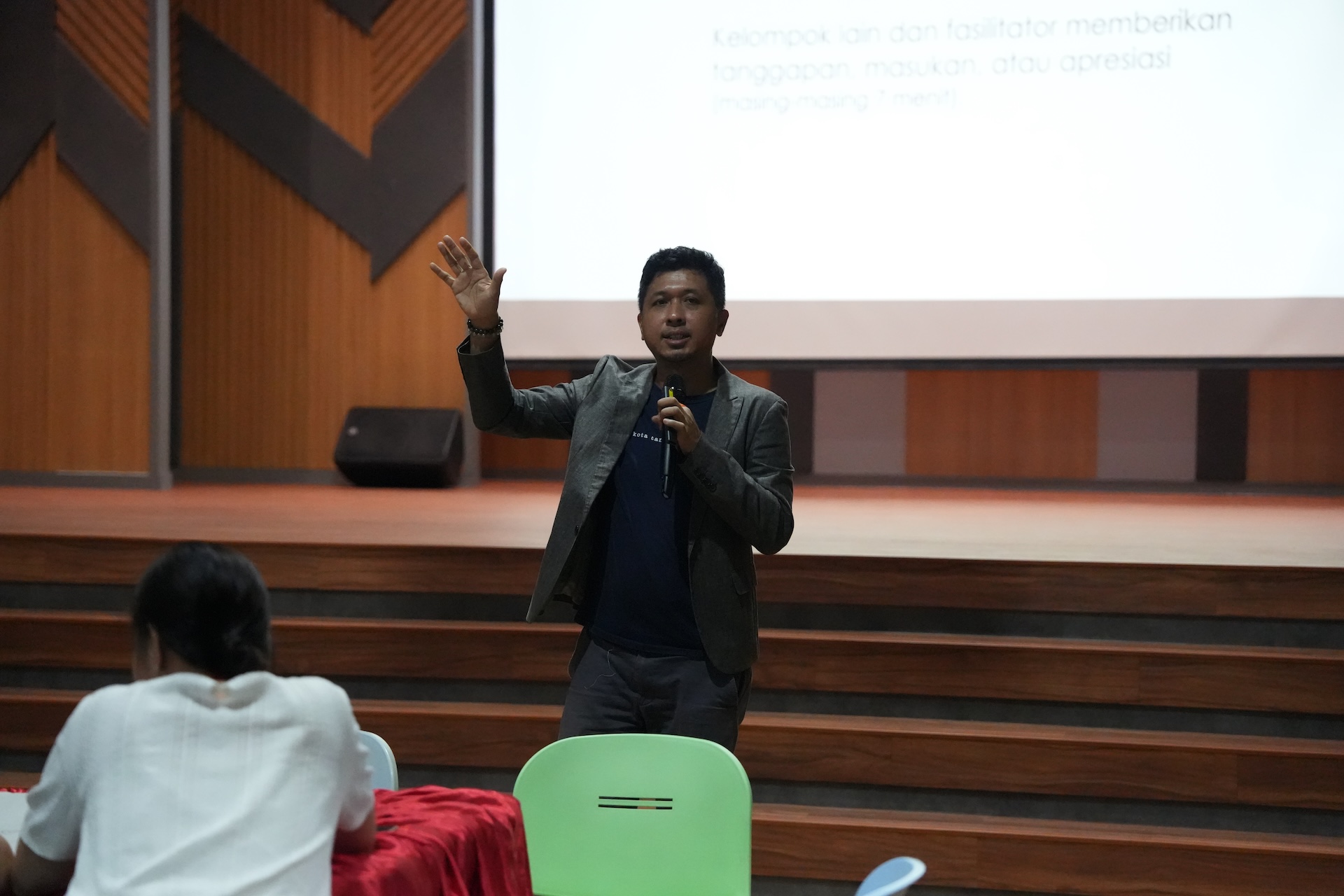
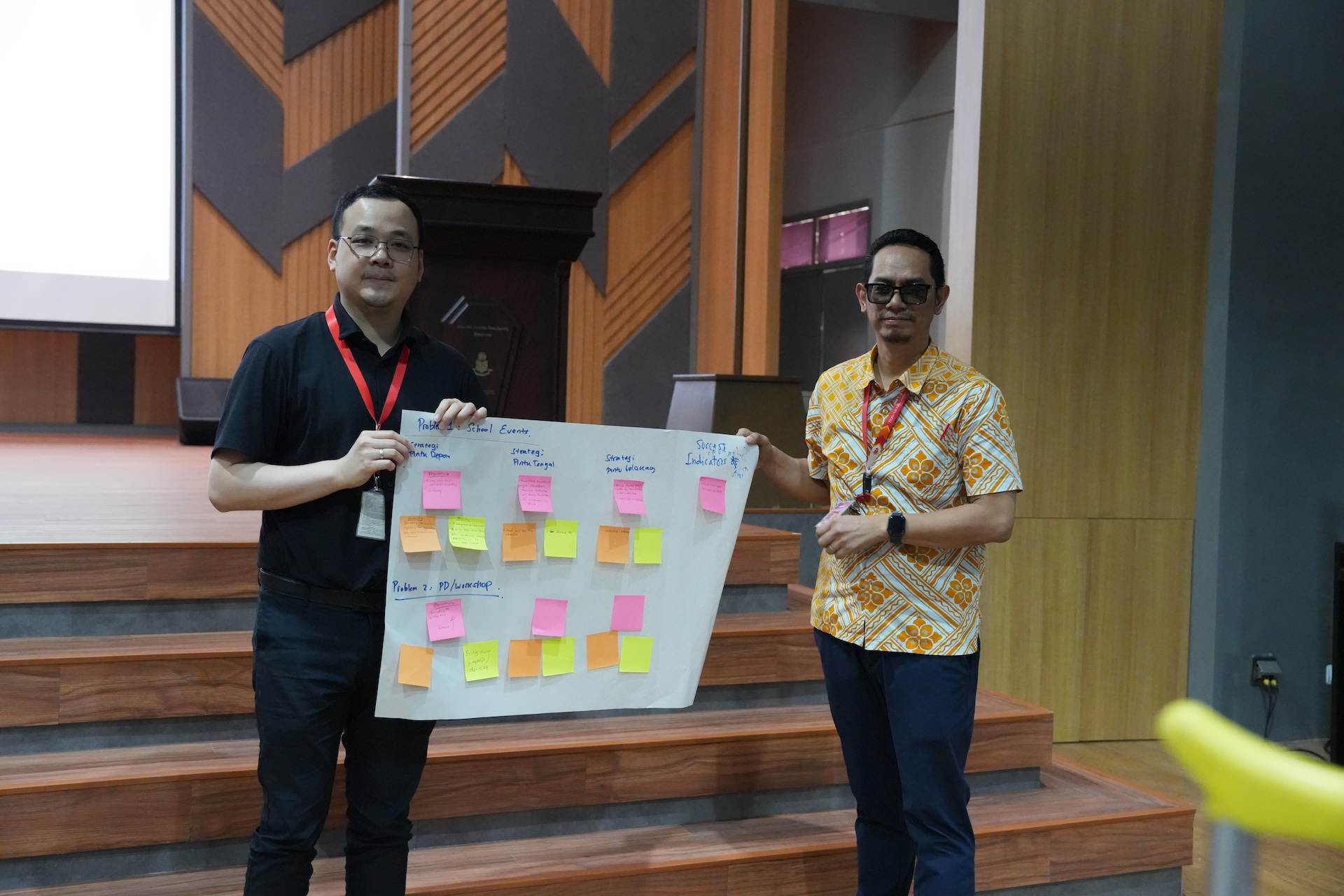
Schools generate vast amounts of waste daily – from food packaging at the canteen to discarded paper in classrooms. To address this issue at its root on SIS-PIK, on 29th August 2026, CCA Sustainability Programme, in collaboration with Organisation of Kota Tanpa Sampah, hosted an insightful workshop tailored specifically for the Singapore School, Pantai Indah Kapuk (SIS-PIK) community. Focused on transforming our school into a Minimum Waste School, the session provided SIS-PIK teachers, staff, and student leaders with practical toolkits to overhaul campus waste management, transition away from single-use plastics, and cultivate a culture of long-term environmental stewardship.
A core focus of the workshop led by Kota Tanpa Sampah was establishing proper waste sorting right at the source, preventing organic food waste from contaminating valuable recyclables. Participants explored a three-stream sorting framework – separating organic food waste for composting, inorganic recyclables (clean paper, plastic bottles, and aluminium) for recycling facilities or local bank sampah, and keeping residual landfill waste to an absolute minimum across classrooms and shared spaces. By instilling these hands-on sorting habits daily, SIS-PIK students learn that managing waste is an active responsibility rather than an abstract concept.
While sorting addresses the output, reducing single-use plastics targets the problem at its origin. Our Sustainability Programme CCA highlighted immediate, actionable strategies for the SIS-PIK campus, such as partnering with canteen vendors to swap plastic-wrapped snacks for bulk containers and reusables, expanding our Bring-Your-Own (BYO) container culture, and utilising water refill stations to eliminate bottled drinks. Additionally, banning plastic banners and disposable catering during school sports days and cultural events ensures our sustainability commitments extend to every aspect of school life.
The collaborative workshop emphasised that achieving a sustainable culture at SIS-PIK is a continuous journey driven by collective effort. By implementing clear sorting systems, reducing canteen plastic reliance, and engaging students as active sustainability ambassadors, SIS-PIK can dramatically lower its ecological footprint and serve as a leading model for eco-friendly education.





www.sis-pik.com

@sispik

official sispik